

A load cell is used to determine mass: The weight force exerted by the sample is converted into an electrical signal by the load cell. Load cells are therefore the most important components of an electronic scale. One of the most widely used technologies is based on strain gauge technology: an analog load cell consists of a measuring element (so-called spring body) made of steel or aluminum, on which a strain gauge (Wheatstone bridge) is mounted. Each electronic scale has an integrated load cell that ensures that a weight can be measured.
DMS load cells are the most widely used, but there are other technologies for weight determination in weighing technology such as EMFC, electromagnetic force compensation, in which mass determination takes place completely without friction loss. Generally, load cells are installed in industrial plants, such as filling plants, weighing silos or checking the filling level of tanks.
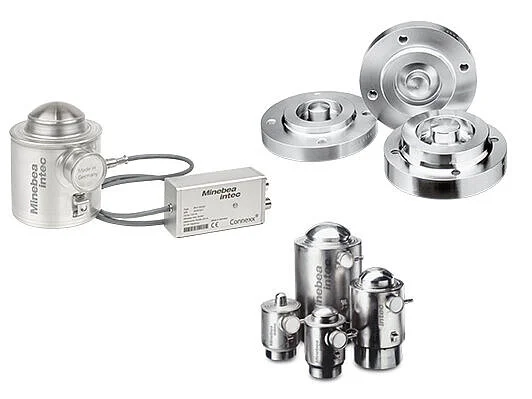

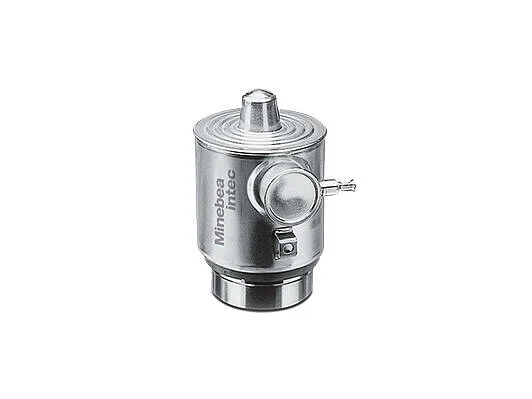
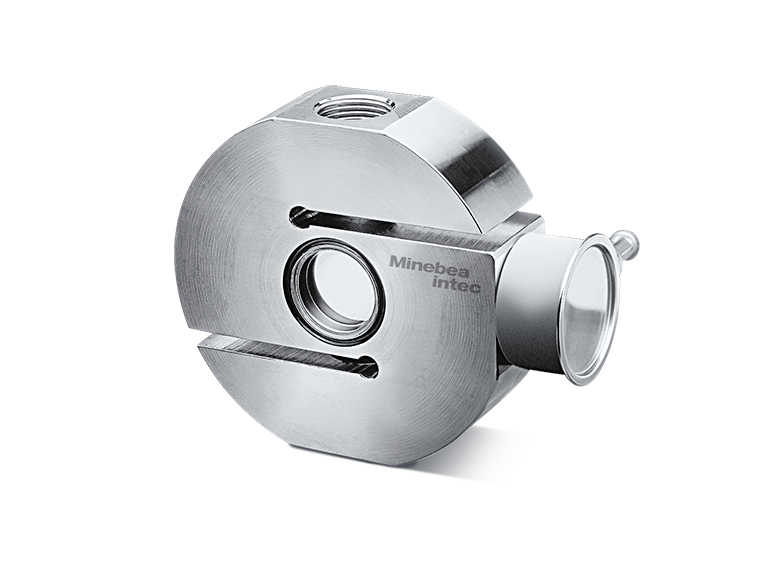
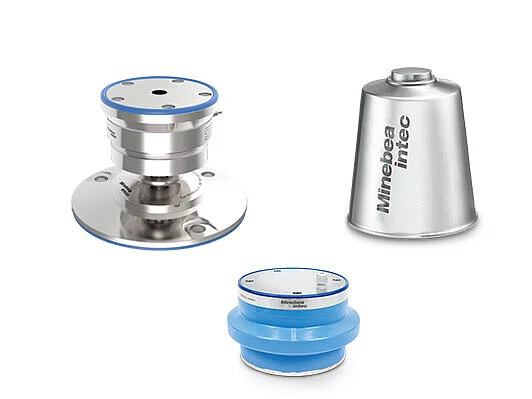
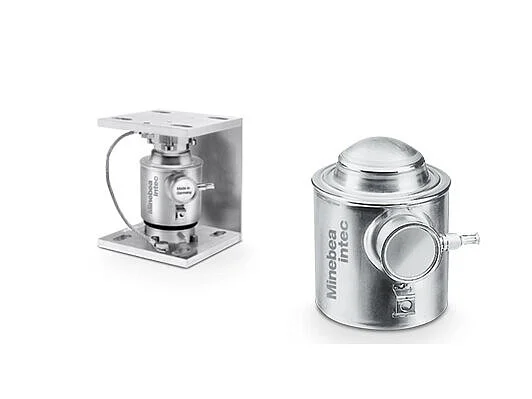
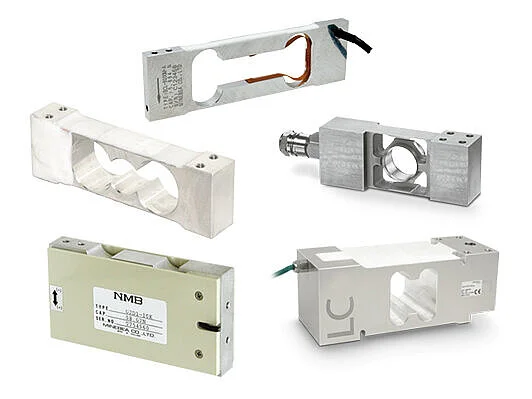
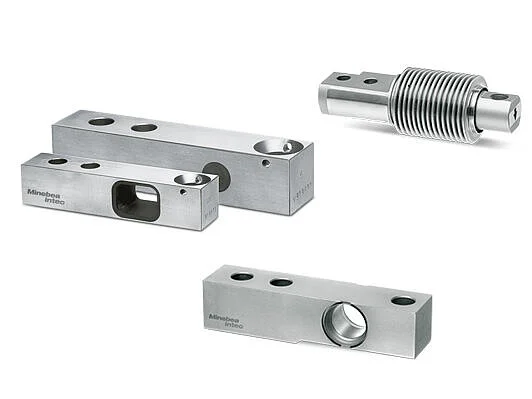
Important features of load cells:
In addition to the various types of load cells, these differ in the manufacturing materials used, mostly aluminium and stainless steel. In addition to the material, the environment in which the cell is used must also be taken into account: Especially the ambient temperatures are an important factor: Every material changes due to heat or cold, which also applies to load cells and strain gages. In order for the exact weight to be displayed, the load cell must be able to compensate for external interference.
Accuracy is particularly important when weighing: load cells are classified into different accuracy classes. These are divided into classes A to D, where A is the best possible class. Strain gage load cells are mostly produced in classes C and D. Depending on the area of application, the requirements for the required accuracy vary: For example, the pharmaceutical industry requires different accuracies and process measurement uncertainties than for instance recyling or retail.